


Musical Instrument Care
Protection and Sound Preservation
Musical instruments—whether string, wind, or percussion—are delicate objects, often made from natural materials that are sensitive to environmental changes. Ensuring proper storage is essential to preserve their structural integrity, tuning, and sound quality. Factors such as the use of appropriate cases, and the control of temperature and humidity, are crucial for the longevity and optimal performance of instruments.
1. Transport and Storage Cases
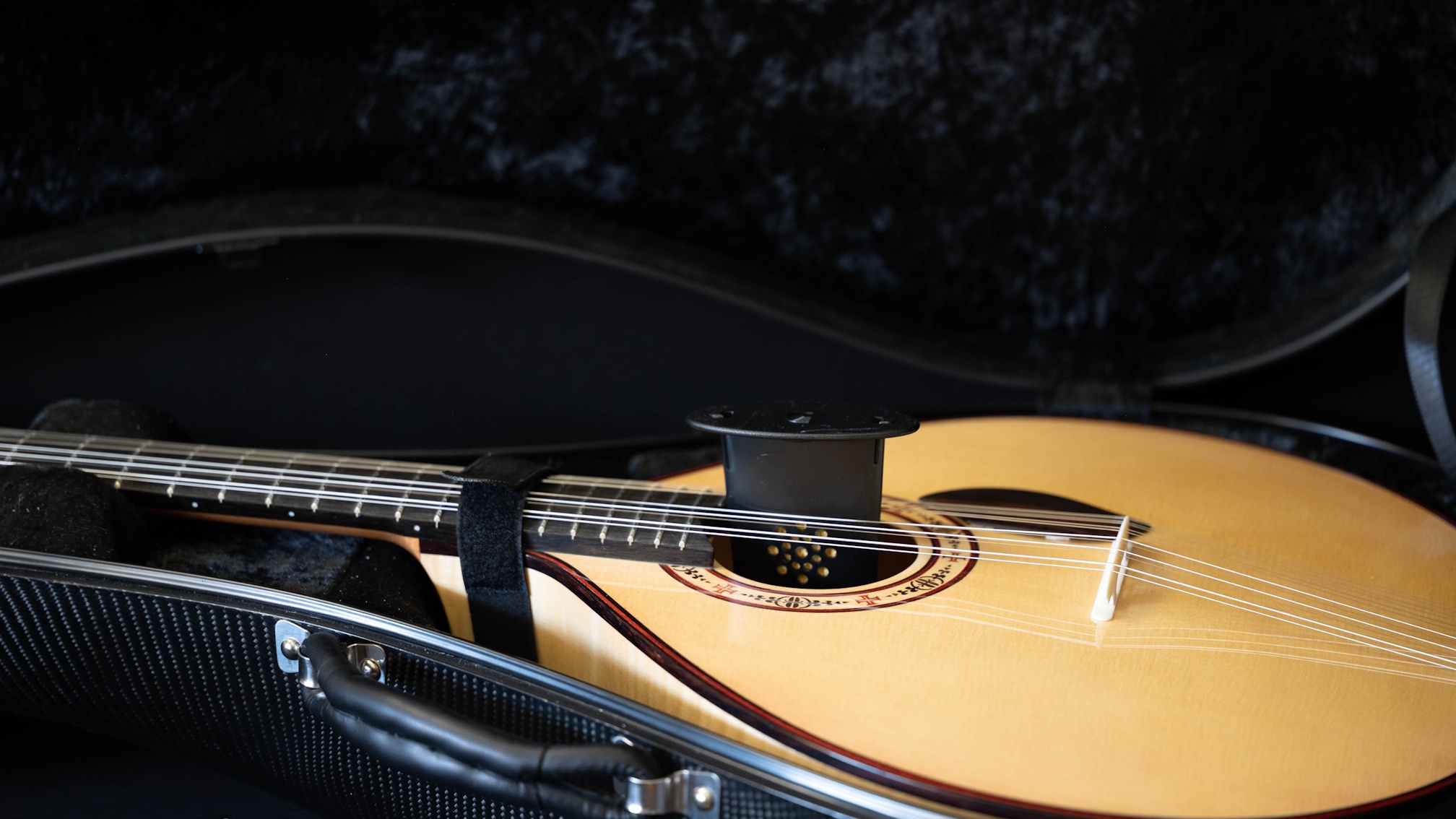
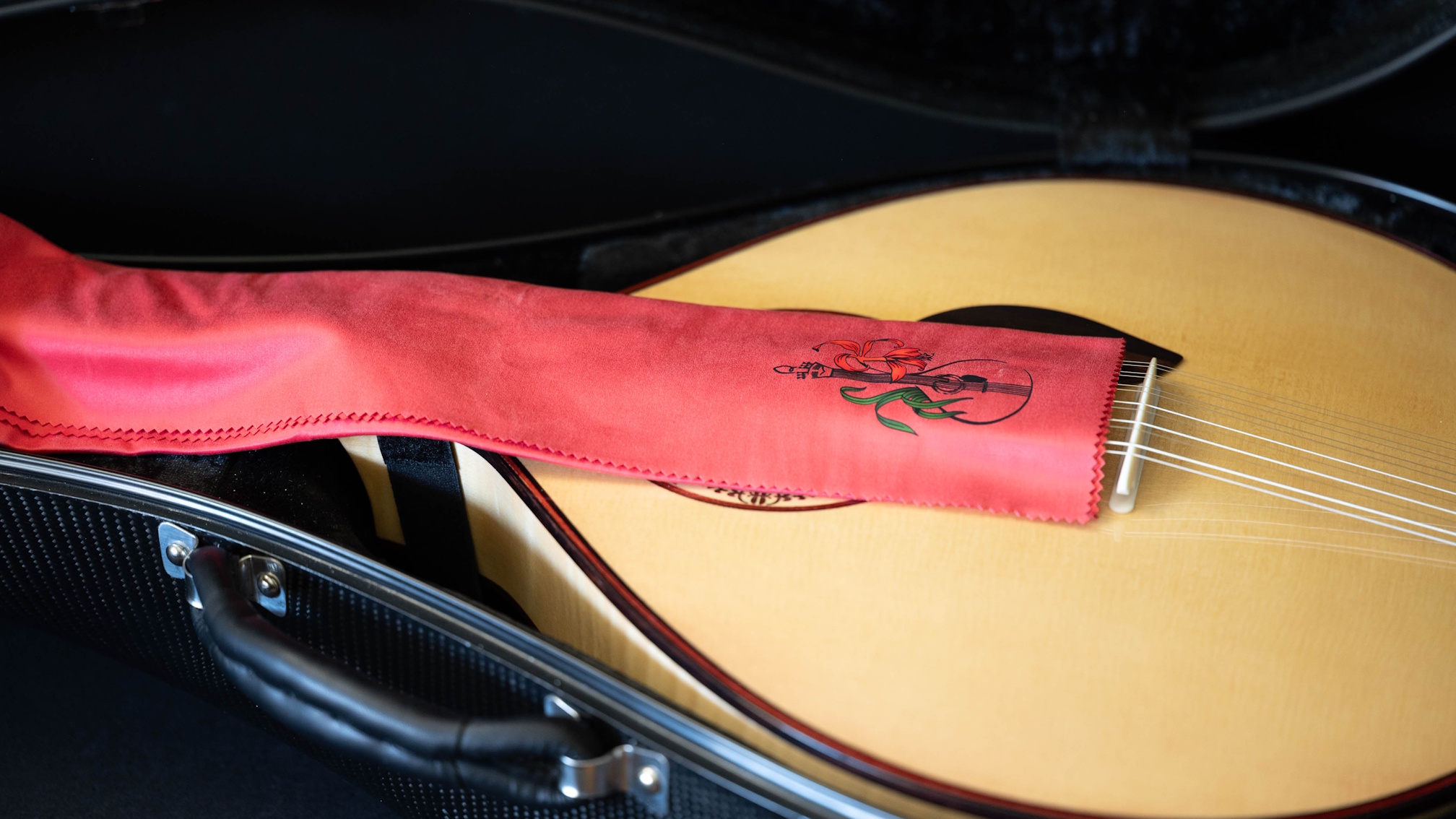
An instrument’s first line of defense is its case. It should be rigid, internally padded, and made from materials that protect against shocks, drops, and temperature changes. For wooden instruments (such as violins, guitars, or mandolins), it’s preferable to use a thermal case or one with insulation against sudden temperature changes.The case should also be properly sized to the instrument to prevent internal movement that could cause damage. Small accessories (like bows, reeds, tuners) should be stored in dedicated compartments, without direct contact with the instrument’s body.
2. Temperature
The ideal temperature for preserving wooden instruments is between 18°C and 24°C (64°F to 75°F). Extreme temperatures—either too high or too low—can compromise an instrument’s structure:- Excessive heat can cause expansion, warping, glue separation, and cracks in the varnish.
- Extreme cold can make the wood brittle, weaken glued joints, and reduce acoustic response.
- Avoid leaving instruments inside cars in the sun or in unventilated spaces. Sudden temperature changes should also be avoided, especially when moving between air-conditioned interiors and very hot or cold outdoor environments.
3. Relative Humidity
Humidity is perhaps the most critical factor for the health of acoustic instruments, especially wooden ones. The ideal relative humidity is between 45% and 55%:- Very dry environments (below 40%) can cause cracks, sinking of the soundboard, loosening of glued parts, and unstable tuning.
- Very humid environments (above 60%) can cause wood swelling, loss of sound projection, deformation, and corrosion of metal parts.
- The use of humidifiers or dehumidifiers is highly recommended in regions with extreme climates. There are also small humidifiers made specifically for instruments that can be placed inside the case or even inside the instrument’s body (in the case of violas and guitars).
4. Other Important Recommendations
Keep the instrument clean and dry after use, especially in humid environments or after performances.- Do not expose instruments directly to sun, wind, or rain.
- Avoid storing them near heaters, fireplaces, or air conditioning units.
- On long trips, especially by plane, slightly loosen the strings to relieve tension and prevent damage caused by pressure and temperature variations.
A well-stored instrument is one that lasts longer, stays in tune better, and responds more faithfully to the musician’s intention. Protecting against impacts is important, but controlling temperature and humidity is essential to preserve its sound soul. By taking care of the environment in which their instrument "lives", the musician protects not only a valuable object, but also their own musical voice.
Download the Maintenance Conditions here.