

Classical Guitars
Tradition in Six and Seven Strings
The classical guitar is one of the most emblematic instruments in Western music, known for its rich, expressive, and balanced sound. With roots in the Iberian tradition and consolidated in the 19th century by masters such as Antonio Torres, the classical guitar became fundamental in the classical, popular, and contemporary repertoire. Although the six-string model is the most common and widely used, there is also a seven-string variant that opens up new harmonic and expressive possibilities.
Six-String Classical Guitar
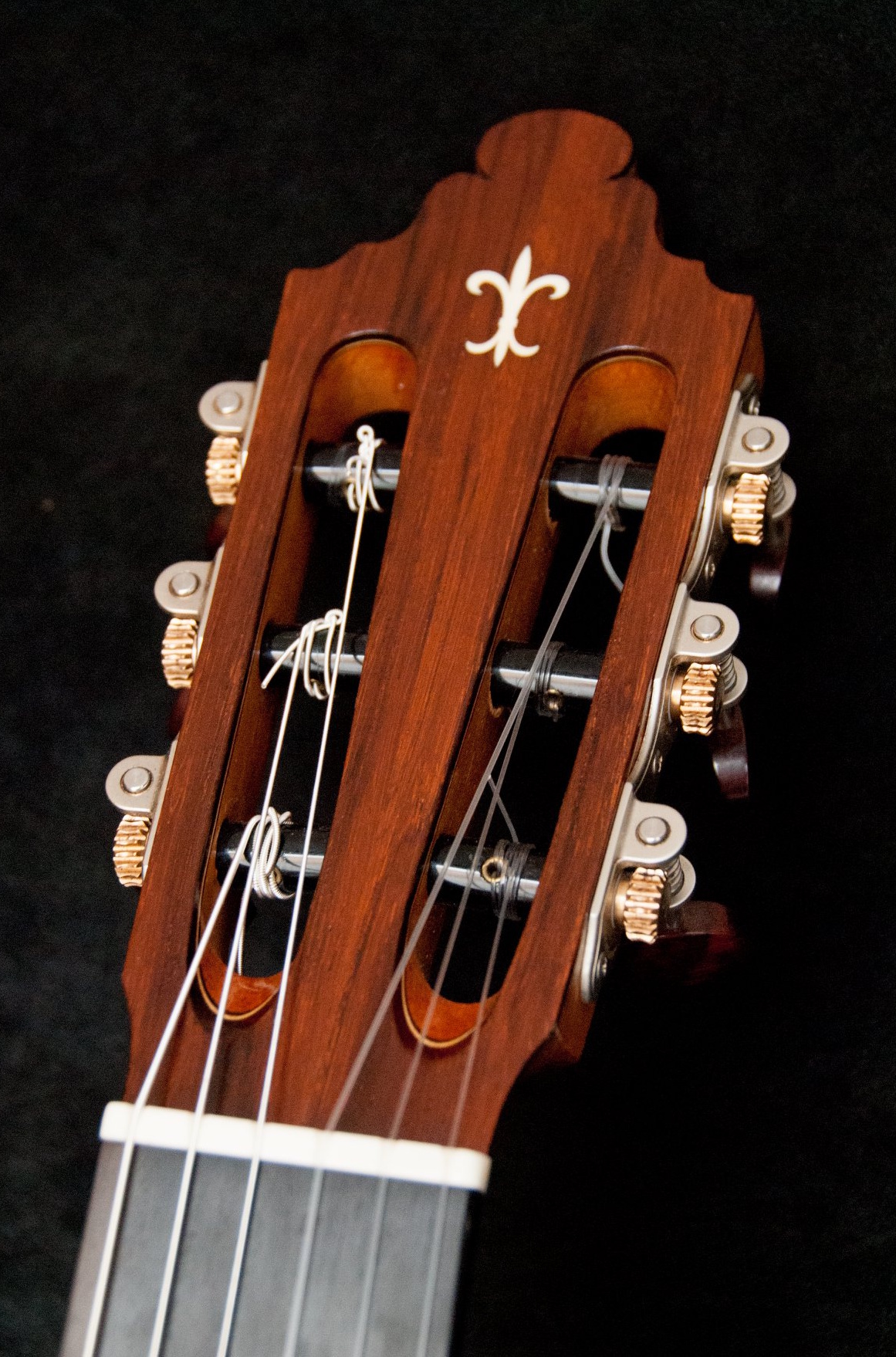
The six-string version is the most traditional form of the classical guitar. Usually tuned E-A-D-G-B-E, from the sixth (lowest) to the first (highest), this setup offers an ideal balance between bass, midrange, and treble, allowing both accompaniment and melodic execution. It is widely used in European classical music, flamenco, popular music, and even jazz and folk.The strings are generally made of nylon (or composed of a nylon core with metal winding on the lower strings), which provides a warm, smooth, and rounded tone, ideal for performing pieces that require expressiveness, dynamic control, and timbral richness.
Seven-String Classical Guitar
The seven-string classical guitar, although less common, has gained space in various musical contexts such as Brazilian choro and samba, as well as jazz and contemporary music. The seventh string adds a low note (usually a C or B below the traditional low E), expanding the instrument’s range and allowing greater harmonic and rhythmic depth.This extra string is especially useful in more complex arrangements, where the guitarist can alternate between bass lines and melodies more fluidly. Furthermore, it opens possibilities for transcriptions of works originally written for instruments with a greater range, such as the piano.
Versatility and Choice
The choice between six or seven strings depends on the musical style, repertoire requirements, and musician’s preferences. While the six-string guitar remains the universal standard for classical teaching and performance, the seven-string offers an expanded sonic exploration field, especially appreciated by soloists and composers seeking new textures.Whether six or seven strings, the classical guitar remains an instrument of unparalleled expressiveness, capable of conveying emotions with delicacy or intensity. Its variants enrich the musical landscape, showing that even within a centuries-old tradition, there is always room for innovation and discovery.