
The Violin
The Supreme Voice of Bowed Music
The violin is one of the most iconic instruments in Western music, widely recognized for its expressiveness, versatility, and striking presence in classical, popular, and contemporary styles. With four strings tuned in fifths (G–D–A–E), the violin has a bright and agile timbre, capable of conveying everything from the most delicate melody to the most intense virtuosity.
Origins and Evolution
The violin emerged in northern Italy in the early 16th century as a result of the evolution of earlier instruments such as the medieval vielle, the Arabic rebab, and the lira da braccio. With its modern form solidified around the 17th century, the violin quickly found a place in European courts, churches, and later, concert halls.Its elegant shape, bow technique, and standardized tuning allowed for an enormous range of expressive and technical possibilities, making it the central instrument of the bowed string family (which also includes the viola, cello, and double bass).
Construction and Classical Luthiers
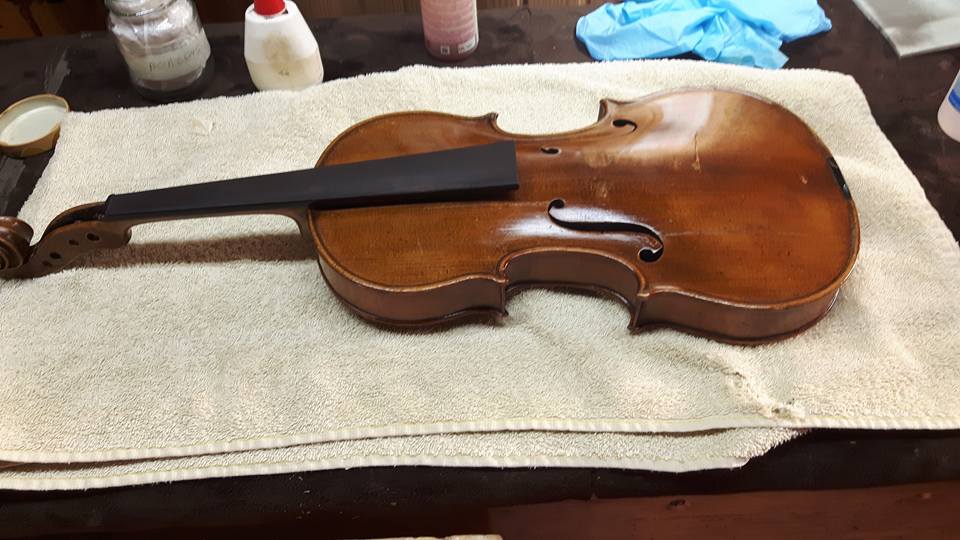
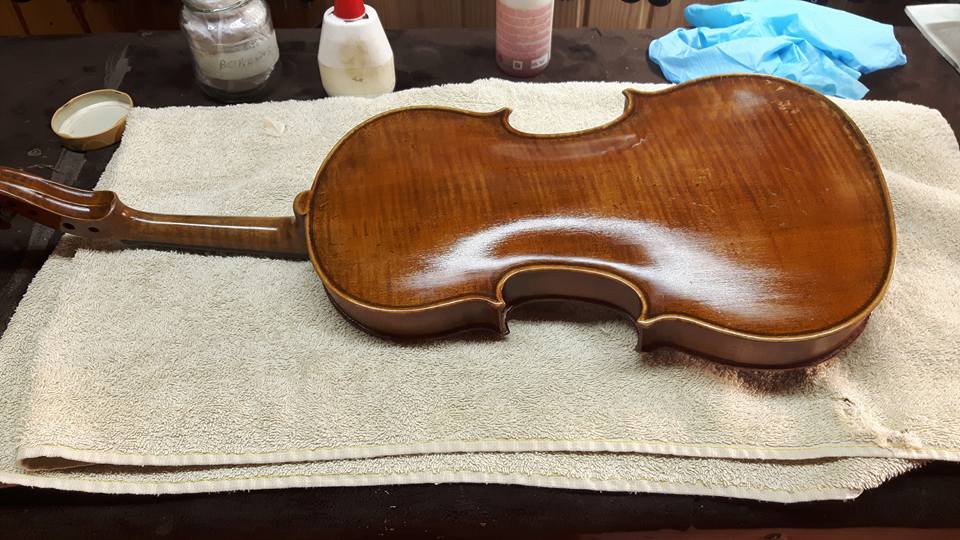
The construction of the violin is a refined art, developed over centuries by master luthiers. The body consists of three main parts:
- Top plate: typically made of spruce, a light and resonant wood;
- Back and sides: usually of flamed maple, offering both rigidity and aesthetic beauty;
- Neck and fingerboard: made of ebony or other equally hard woods, to withstand constant finger friction.
One of the most revered names in violin making is Antonio Stradivari (1644–1737), whose workshop in Cremona, Italy, produced some of the most famous and valuable violins in the world. Known as Stradivarius, these instruments are celebrated for their unmatched sound quality, tonal balance, and projection capabilities.
- Other great Italian luthiers from the same region and era include:
- Giuseppe Guarneri “del Gesù,” whose violins are considered by many even more powerful than those of Stradivari;
- Niccolò Amati, Stradivari's mentor and one of the first to refine the modern violin model.
To this day, instruments made by these masters are studied, copied, and admired, often being auctioned for prices exceeding millions of euros.
Technique and Versatility
The violin is remarkable for its ability to imitate the human voice, making it one of the most emotional instruments ever created. Its technique involves a complex interaction between the bow, the fingers of the left hand, and expressive control. It can be played with smooth legato, bouncing spiccato, sharp staccato, plucked pizzicato, among many other articulations.Although traditionally associated with classical music, the violin has also established itself in styles such as: Folk and Celtic music (as a fiddle); Jazz (with artists like Stéphane Grappelli); Brazilian music (choro, forró, nationalist chamber music); Rock, pop, and film scores.
The Violin in Culture
Beyond its musical value, the violin holds a prestigious place in Western culture: it is a symbol of virtuosity, discipline, and artistic sensitivity. Great composers — such as Bach, Vivaldi, Mozart, Beethoven, Paganini, and Tchaikovsky — wrote masterpieces for solo violin and orchestra, fully exploring its expressive potential.The violin is much more than a musical instrument — it is an extension of human emotion, a bridge between technical rigor and artistic freedom. From the workshops of Cremonese masters to the stages of the world, it continues to captivate generations with its unmistakable voice. Its legacy is eternal, and its evolution lives on in the hands of every new performer.