
Mandolins
A Tradition of Strings in Portugal and Brazil
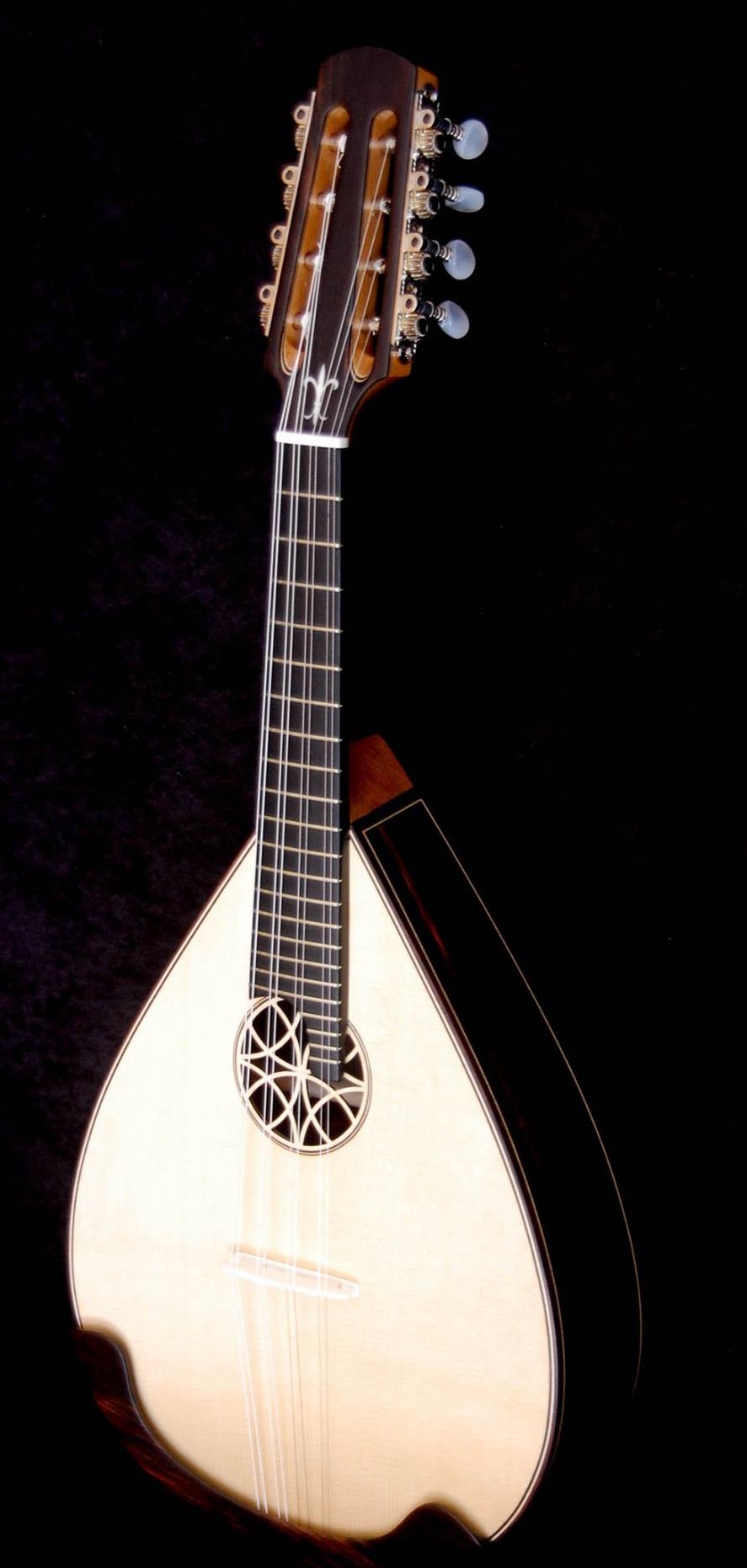
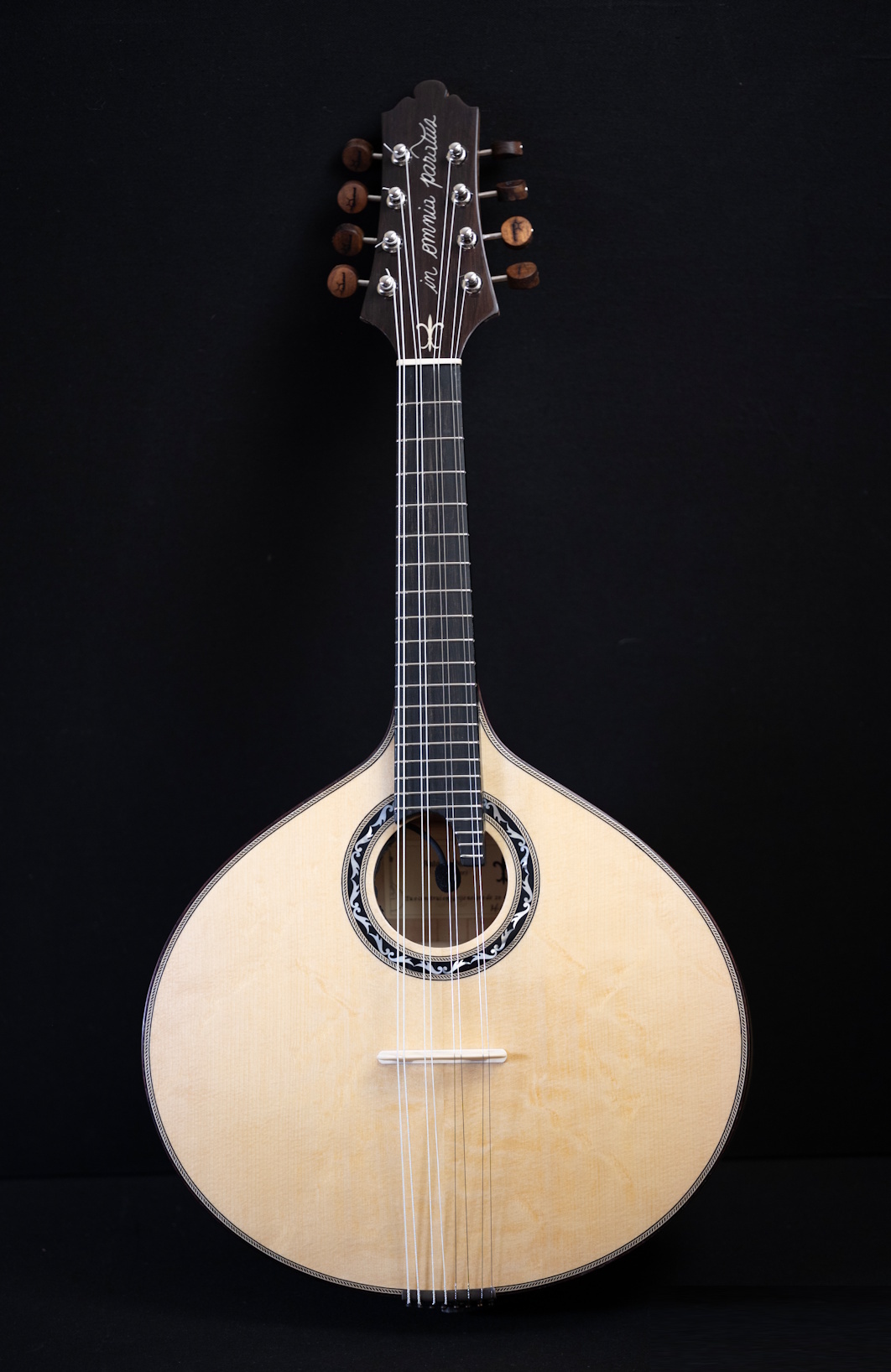
The mandolin is a plucked string instrument from the lute family, with roots dating back to the 16th century. Its evolution follows the history of both folk and classical music in various countries. Small, with a rounded or teardrop-shaped body and four pairs of double strings (eight strings in total), the mandolin is known for its bright, sharp, and articulate sound, making it ideal for agile and ornamented melodies. While it shares a basic structure, the mandolin has developed into different national traditions, such as the Portuguese and Brazilian ones, each with distinct characteristics and functions.
The Portuguese Mandolin
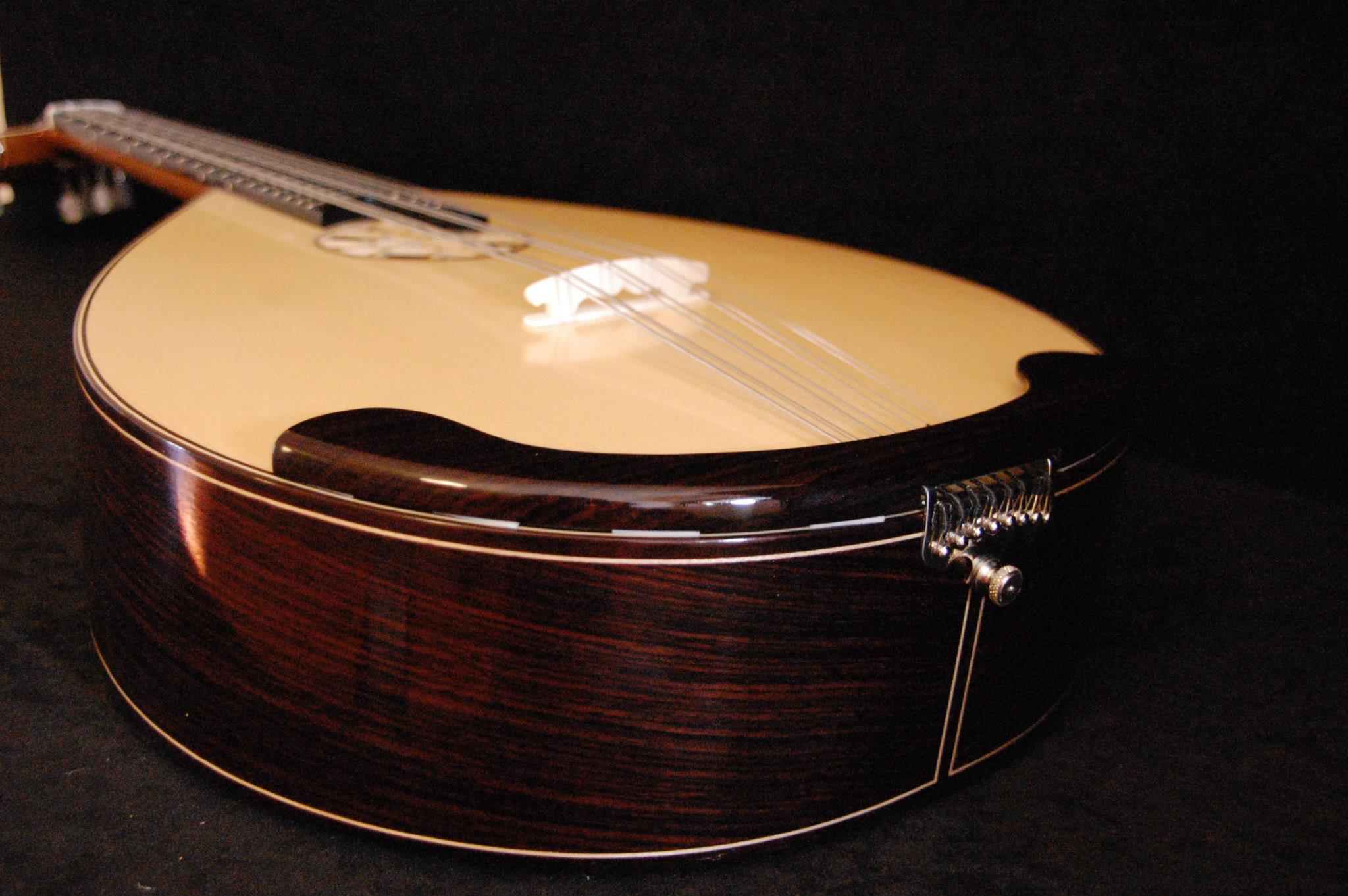
The Portuguese mandolin is closely associated with the country's classical and folk music traditions, especially in chamber music, academic tunas (student music groups), and regional ensembles. Inspired by Italian models like the Neapolitan mandolin, the Portuguese version retains the rounded “shell-shaped” back and is traditionally built with a spruce top, rosewood or maple back, and a short neck—ideal for fast playing in the upper frets.Used in string ensembles, student tunas, and regional music arrangements, the Portuguese mandolin is played with a pick and emphasizes a clean, lyrical, and ornamented sound. While it appears less frequently in fado than the Portuguese guitar, it occasionally serves as a complementary melodic instrument in instrumental versions or more flexible ensembles.
The Brazilian Mandolin
In Brazil, the mandolin gained new life and identity, becoming a key part of Brazilian instrumental music, particularly in genres such as choro, samba, MPB (Brazilian Popular Music), and frevo. Influenced by European models, the Brazilian mandolin underwent structural and stylistic changes that resulted in a more powerful sound, a longer scale, and construction focused on greater projection.Icons like Jacob do Bandolim, Joel Nascimento, and Hamilton de Holanda elevated the Brazilian mandolin to an outstanding technical and artistic level. Hamilton even developed the 10-string mandolin (five double courses), expanding the instrument's harmonic and melodic range.
The Brazilian mandolin is known for its penetrating sound, fast phrasing, expressive use of vibrato, and refined articulation. It typically plays a melodic role, often acting as the lead voice in choro ensembles and instrumental jam sessions, standing out for its clarity and note precision.
Differences and Similarities
Although they share a common historical root, the Portuguese and Brazilian mandolins differ in:
Construction:
The Portuguese model usually retains the traditional rounded body; the Brazilian version uses a flat or slightly arched back, aiming for greater volume and projection.
Repertoire and Use:
The Portuguese mandolin is more common in chamber and traditional music; the Brazilian version is central to popular genres and improvisation.
Tuning:
Both are typically tuned like a violin (G–D–A–E), but there are variations in extended models (such as the 10-string).The mandolin is a vibrant example of how a single instrument can take on distinct identities across different cultures. In Portugal, it symbolizes European instrumental tradition; in Brazil, it has become the expressive voice of one of the world’s most sophisticated popular music styles. In both cases, it is an instrument of elegance, agility, and profound musicality.